Introduction
A strong employee life planning strategy can also help organizations prepare for future workforce challenges while improving employee confidence, engagement, and long-term workplace success.
The future of employee benefits is changing. Today’s workforce is looking beyond traditional compensation and financial benefits. Employees increasingly value long-term stability, personal wellbeing, lifestyle flexibility, and confidence about their future.
As a result, many organizations are expanding the way they approach retirement planning. Instead of viewing retirement strategies only as financial programs, businesses are beginning to integrate them into a broader employee life planning framework.
This shift recognizes that financial security, personal goals, workplace wellbeing, and long-term quality of life are closely connected.
Why Employee Life Planning Is Changing Workplace Benefits
Modern employees often evaluate employers based on more than salary alone.
They increasingly consider how organizations support:
- Financial confidence
- Long-term security
- Mental and emotional wellbeing
- Career sustainability
- Work-life balance
- Future lifestyle goals
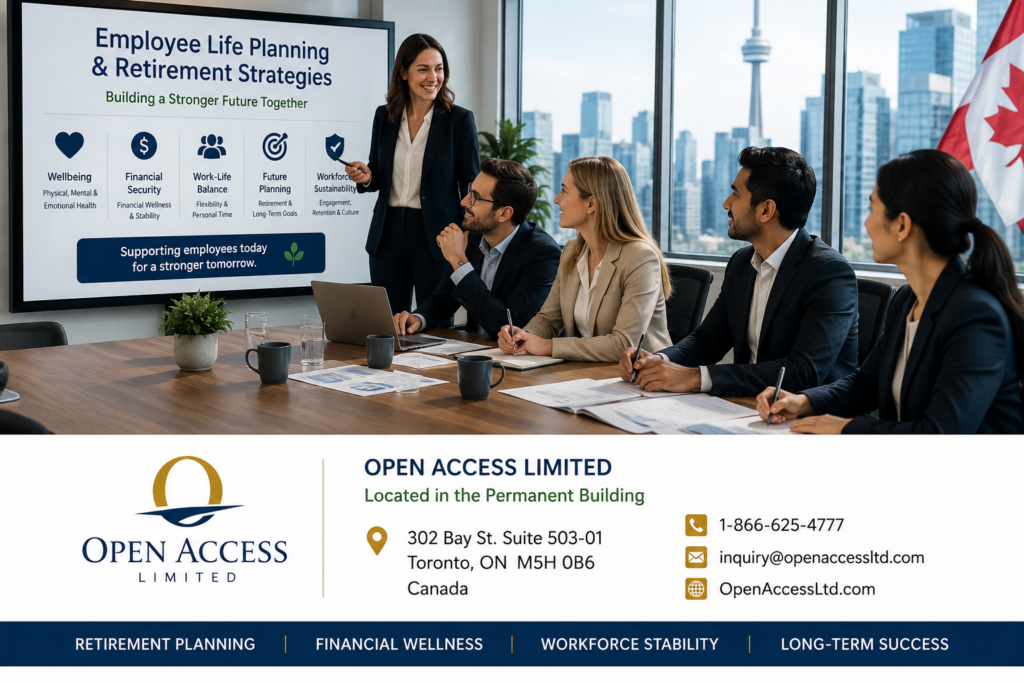
A comprehensive employee life planning approach helps connect workplace benefits with employees’ broader personal and professional priorities.
1. Retirement Planning Is Becoming Part of Overall Wellbeing
Retirement planning is no longer viewed only as saving money for the future.
Organizations are recognizing that retirement readiness connects with multiple areas of employee wellbeing, including:
- Financial wellness
- Emotional confidence
- Lifestyle preparation
- Personal goal planning
- Long-term stability
When employees feel prepared for their future, they may experience greater confidence and engagement in their current roles.
2. Supporting Employees Beyond Traditional Financial Benefits
Traditional benefit strategies often focused mainly on compensation and financial products.
However, today’s workforce increasingly values employers that demonstrate long-term support for employees’ overall quality of life.
Modern benefit strategies may include:
- Retirement education programs
- Financial wellness resources
- Flexible planning options
- Wellbeing initiatives
- Personalized employee support
This human-centered approach can help organizations build stronger workplace relationships.
3. Building Trust and Long-Term Employee Loyalty
Employees who feel supported in their future goals may develop stronger connections with their workplace.
Employee life planning strategies can contribute to:
- Improved engagement
- Greater workplace trust
- Stronger organizational culture
- Better employee experience
- Long-term workforce stability
For businesses, supporting employee wellbeing can become an important part of talent retention strategies.
4. Connecting Retirement Strategy With the Future of Work
The workplace continues to evolve as employee expectations change.
Organizations preparing for the future are increasingly aligning retirement strategies with broader workforce planning goals.
This may support:
- Sustainable careers
- Workforce resilience
- Employer branding
- Talent attraction
- Organizational continuity
Companies that adapt early may be better positioned in competitive labour markets.
5. Creating a Human-Centered Benefits Strategy
A modern benefits approach considers employees as individuals with evolving needs and goals.
Successful strategies often combine:
- Financial planning
- Retirement preparation
- Wellness resources
- Career support
- Lifestyle planning
This integrated approach supports employees throughout different stages of their professional and personal lives.
Supporting Employee Life Planning Through Modern Retirement Strategies
For example, Open Access Limited works with employers across Ontario and Canada to develop retirement and financial wellness strategies that align with employee goals, workplace culture, and long-term workforce sustainability.
By combining education, communication, and flexible planning approaches, organizations can better support the evolving expectations of today’s workforce.
Final Thoughts
Retirement planning is evolving from a traditional financial benefit into a broader employee life planning strategy.
Organizations that recognize the connection between financial security, wellbeing, and future quality of life may create stronger employee experiences and more resilient workplaces.
A people-focused approach to retirement planning can help businesses support employees today while preparing for the workforce needs of tomorrow.
References
World Health Organization (WHO) – Workplace Wellbeing
• Stanford Center on Longevity
• Harvard Business Review – Human-Centered Workplace
• Future Forum Workforce Research
• OECD – Future of Work
• Global Wellness Institute