Retirement Planning Investment: 5 Powerful Ways to Build Workforce Success
Retirement planning investment is becoming an important part of how organizations evaluate long-term workforce success, employee engagement, and sustainable business growth.
For many businesses, retirement programs have traditionally been viewed as employee benefit expenses. However, modern organizations are increasingly considering how these programs can support broader workforce objectives.
A strategic approach to retirement planning may help companies strengthen employee confidence, improve benefits understanding, and create a stronger connection between workplace programs and organizational goals.
Why Should Businesses View Retirement Planning as an Investment?
A retirement planning investment goes beyond providing a standard workplace benefit.
When designed effectively, retirement programs can support workforce stability, employee value proposition, and long-term planning needs.
Employees often evaluate workplace benefits as part of their overall employment experience. A well-structured retirement strategy may contribute to stronger engagement by helping employees understand the value of their total rewards package.
Organizations that evaluate retirement planning strategically can better understand how benefits influence workforce expectations and future planning.
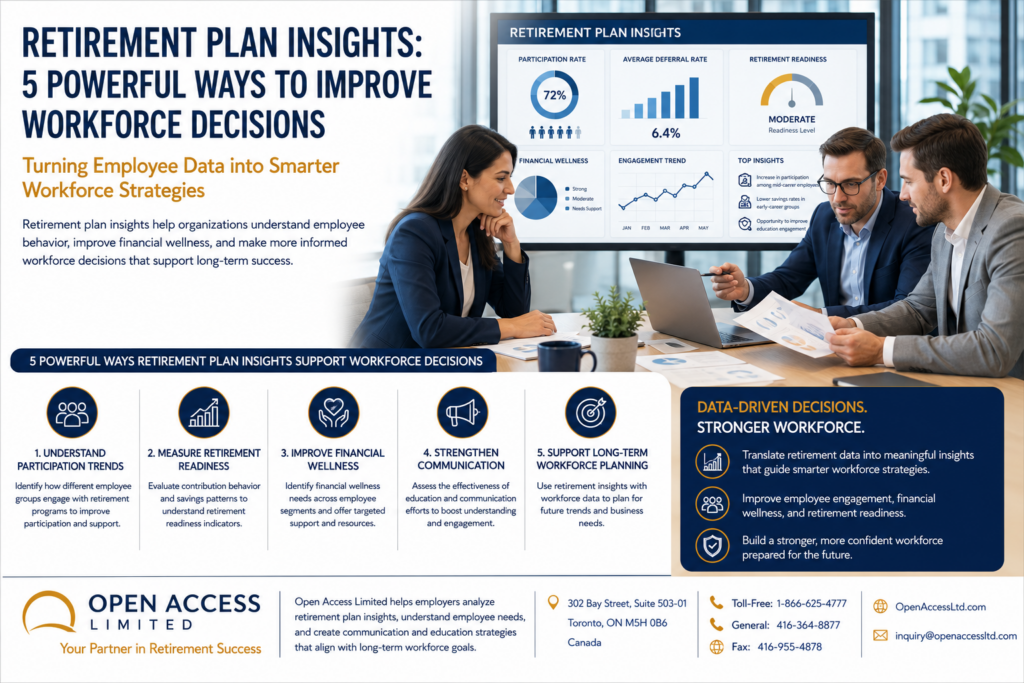
5 Powerful Ways Retirement Planning Investment Supports Workforce Strategy
1. Strengthening Long-Term Workforce Stability
Retirement programs can support workforce stability by creating benefits structures that encourage long-term participation.
When employees understand available retirement resources, they may feel more prepared when making financial decisions.
Clear retirement planning strategies can help organizations build a more informed and engaged workforce.
2.Improving Employee Financial Education
Employee financial education is a key part of successful retirement planning investment.
Providing resources, guidance, and communication can help employees better understand retirement options and available workplace benefits.
Education helps transform retirement programs from simple benefits into meaningful workforce support tools.
3. Supporting Employee Value Proposition
A strong employee value proposition includes more than salary.
Benefits, workplace culture, professional development, and financial wellness programs all influence how employees view their organization.
Retirement planning can become part of a complete benefits strategy that supports attraction, engagement, and long-term workforce goals.
4. Connecting Benefits With Business Objectives
Organizations can evaluate retirement plans by considering how they align with company priorities.
This may include workforce planning goals, employee participation, communication effectiveness, and long-term organizational needs.
A thoughtful retirement planning investment helps connect employee support with broader business strategies.
5. Creating Sustainable Workforce Planning
Workforce needs continue to change as employee expectations, demographics, and economic conditions evolve.
Retirement strategies that include regular review and improvement can help businesses maintain benefits that remain relevant over time.
A sustainable approach allows organizations to adapt while supporting employees through different career stages.
How Can Organizations Measure Retirement Planning Value?
Businesses may review retirement programs alongside workforce indicators such as employee feedback, participation levels, engagement trends, and retention considerations.
The impact of retirement planning can vary depending on plan design, workforce characteristics, and business objectives.
For this reason, organizations often benefit from a structured approach that combines analysis, communication, and ongoing improvement.
How Open Access Limited Supports Workforce Investment Strategies
Open Access Limited, based in Ontario, works with employers to align retirement plan structures with organizational goals, employee education strategies, and long-term workforce planning needs.
Through customized communication, contribution framework design, and benefits strategy support, Open Access Limited helps organizations evaluate retirement programs as part of a broader workforce investment approach.
Open Access Limited
302 Bay Street, Suite 503-01
Toronto, ON M5H 0B6
Phone: 1-866-625-4777
Email: inquiry@openaccessltd.com
Website: OpenAccessLtd.com
Final Thoughts
Retirement planning investment can help businesses create stronger connections between employee benefits and organizational success.
By focusing on education, workforce stability, employee engagement, and sustainable planning, companies can build retirement strategies that support both employees and future business goals.
Viewing retirement planning as a long-term workforce strategy allows organizations to create benefits programs with greater purpose and value.
References
Boston Consulting Group (BCG) – Future of Work and Workforce Strategy Research
https://www.bcg.com
Willis Towers Watson (WTW) – Global Benefits Attitudes Survey
https://www.wtwco.com
Aon – Employee Benefits and Workforce Strategy Insights
https://www.aon.com
The Conference Board – Human Capital and Workforce Strategy Research
https://www.conference-board.org
International Foundation of Employee Benefit Plans (IFEBP) – Benefits and Workforce Planning Research
https://www.ifebp.org
WorldatWork – Total Rewards and Workforce Strategy Insights
https://worldatwork.org
Leave a Reply